


Blog
Organic Moringa Powder Benefits, Nutrition & Uses

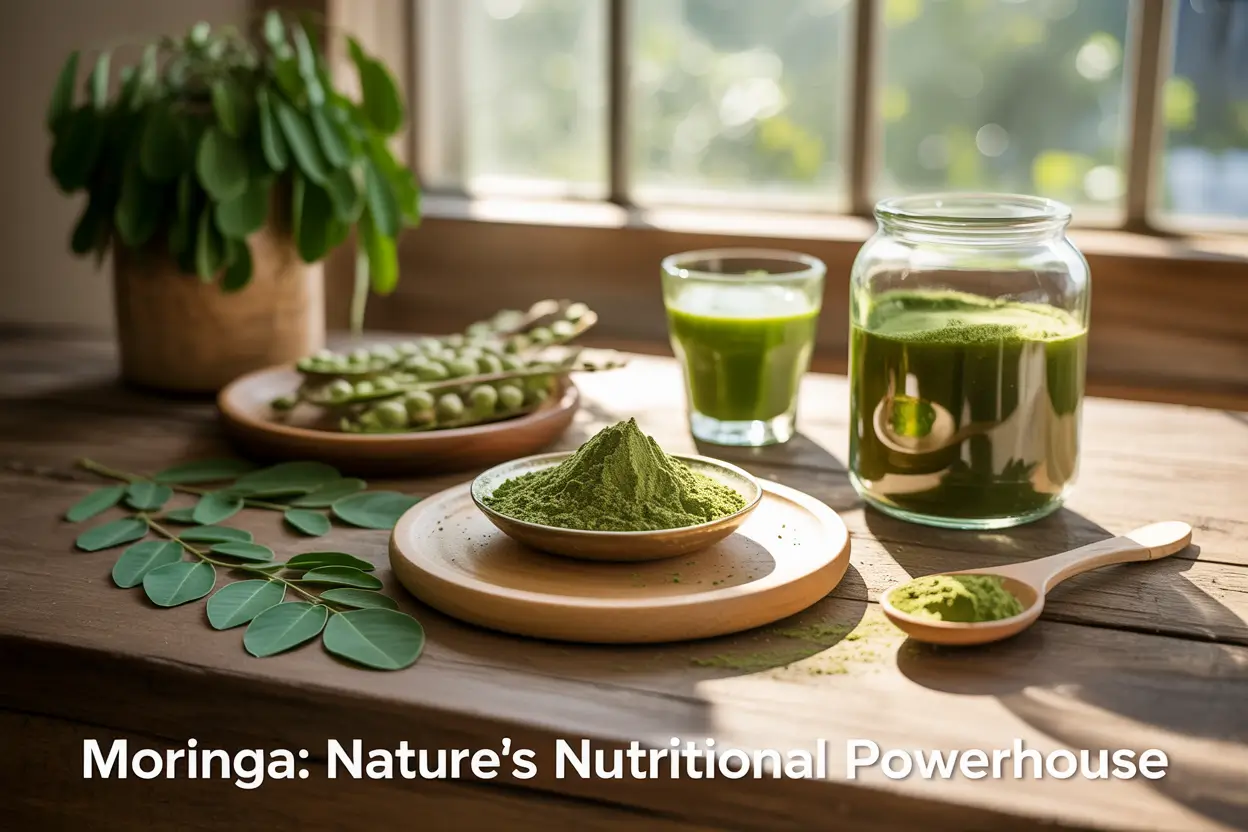
Organic Moringa Powder
Ever stood in the health food aisle, staring at that green powder everyone’s raving about, wondering if it’s worth the hype? You’re not alone. Thousands of wellness enthusiasts are adding moringa powder to their morning smoothies, but most have no idea what they’re actually drinking.
I’ve spent months testing this so-called “miracle tree” supplement so you don’t have to waste your money on another health trend that doesn’t deliver.
This isn’t just another superfood – moringa packs more vitamin C than oranges, more calcium than milk, and more iron than spinach in a single tablespoon.
But here’s what those Instagram influencers aren’t telling you about moringa powder: there’s a dark side to this green gold that could make or break your health journey.
What is Moringa Powder and Its Origins
Understanding the Moringa Plant
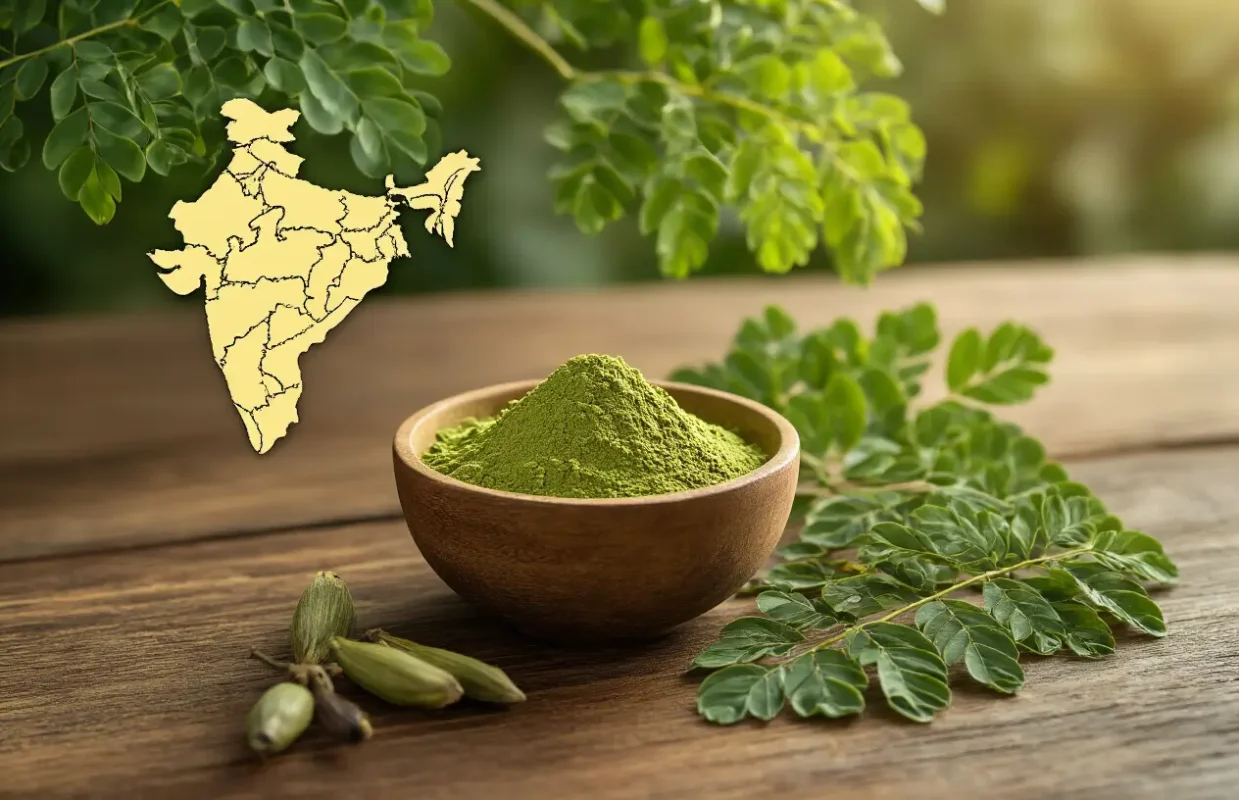
Ever heard of a tree that’s packed with so many nutrients it’s called “the miracle tree”? That’s moringa for you. Native to parts of Africa and Asia, the Moringa oleifera tree thrives in tropical and subtropical regions.
It’s not your average plant. This tree grows fast—we’re talking reaching up to 40 feet in just a few years. The leaves are tiny and oval-shaped, arranged in clusters along the branches. But don’t let their size fool you. These little green powerhouses contain more vitamin C than oranges, more calcium than milk, and more potassium than bananas.
The entire tree is useful. Roots, bark, leaves, flowers, seeds—nothing goes to waste. But it’s the leaves that get dried and ground into that vibrant green powder everyone’s talking about.
Historical Use in Traditional Medicine
Moringa isn’t new to the wellness scene. Ancient civilizations were onto something good thousands of years ago.
In India, Ayurvedic medicine has used moringa for over 4,000 years. They called it “shigru” and prescribed it for over 300 different ailments. Pretty impressive track record!
In Africa, traditional healers used moringa to treat infections, inflammation, and digestive issues. Egyptian cultures valued the oil from moringa seeds so much they stored it in their tombs.
Ancient Romans, Greeks, and Egyptians extracted moringa oil for perfumes and skin protection. They weren’t just using it to smell nice—they recognized its protective properties.
From Plant to Powder: The Processing Journey
The journey from tree to that green powder in your smoothie is surprisingly simple.
First, farmers harvest the leaves when they’re at peak nutrition. Then they wash them thoroughly to remove any dirt or impurities. The leaves are carefully dried—either in shade or using low-temperature methods—to preserve all those precious nutrients.
Once completely dry, the leaves are ground into a fine powder. The good stuff is processed without high heat, chemicals, or additives. That’s why quality matters so much with moringa powder. The processing method directly impacts how nutritious the final product is.
The result? A concentrated green powder that’s easy to transport, store, and use.
Global Popularity Rise
Moringa stayed a well-kept secret in traditional medicine circles until fairly recently. Now it’s everywhere.
Around 2010, western health enthusiasts started catching on to what traditional healers had known for centuries. Research institutions began studying moringa’s benefits, confirming what traditional knowledge had claimed.
Health-conscious consumers looking for sustainable superfoods boosted moringa’s popularity. Unlike some exotic ingredients that need specific growing conditions, moringa is drought-resistant and grows in poor soil—making it accessible and environmentally friendly.
Today, you’ll find moringa powder in everything from smoothies to face masks. It’s moved from specialty health stores to mainstream supermarkets. Even big coffee chains have jumped on the bandwagon with moringa-infused drinks.
The rise isn’t just a trend—it’s backed by science, sustainability, and centuries of traditional use.
Nutritional Profile of Moringa Powder
Essential Vitamins and Minerals
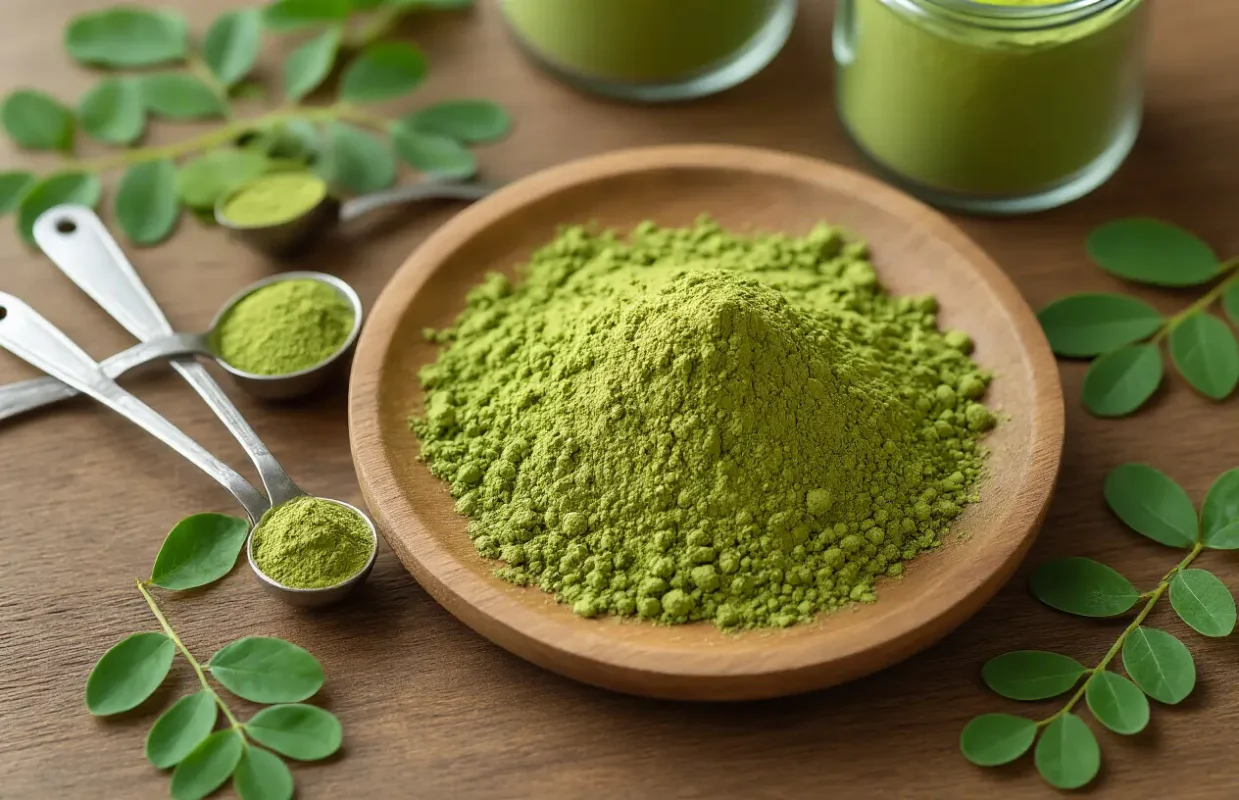
Moringa powder is absolutely packed with nutrients that’ll make your multivitamin look lazy. This green powder contains 7 times more vitamin C than oranges and 4 times more vitamin A than carrots. Think about that for a second.
It’s also loaded with B vitamins, including B1, B2, B3, and B6, which help convert your food into energy. No wonder people feel a boost when they add it to their morning routine.
The mineral content? Off the charts. We’re talking:
- Iron (25 times more than spinach)
- Calcium (17 times more than milk)
- Potassium (15 times more than bananas)
- Magnesium
- Zinc
- Phosphorus
What makes moringa special is that these nutrients come in natural forms your body can actually use, not synthetic versions crammed into a pill.
Protein Content and Amino Acids
Most plant proteins lack one or more essential amino acids. Moringa doesn’t play that game.
This powder contains all nine essential amino acids your body can’t make on its own. That’s rare for a plant source. With about 27% protein by dry weight, it’s comparable to meat in some respects, making it a goldmine for vegetarians and vegans.
The amino acid profile includes:
- Isoleucine
- Leucine
- Lysine
- Methionine
- Phenylalanine
- Threonine
- Tryptophan
- Valine
- Histidine
These building blocks support everything from muscle repair to immune function and hormone production.
Antioxidant Properties
The antioxidant punch in moringa powder is no joke. It’s loaded with compounds that fight oxidative stress – the stuff that ages you faster and makes you sick.
Moringa contains:
- Quercetin – known to help lower blood pressure
- Chlorogenic acid – may help balance blood sugar
- Vitamin C – boosts immunity and skin health
- Beta-carotene – protects your eyes and skin
These antioxidants don’t just exist in small amounts either. The ORAC value (a measure of antioxidant capacity) of moringa is significantly higher than most berries, which we typically consider antioxidant powerhouses.
What’s cool is that these compounds work together, creating what scientists call a “synergistic effect” that’s more powerful than individual antioxidants alone.
Comparison with Other Superfoods
| Nutrient | Moringa | Spirulina | Kale | Acai |
|---|---|---|---|---|
| Protein | 27% | 60% | 4.3% | 2% |
| Iron | 25 times > spinach | 2.2x moringa | 1.7mg/100g | 0.4mg/100g |
| Calcium | 17 times > milk | Lower | 150mg/100g | 20mg/100g |
| Vitamin C | 7 times > oranges | Minimal | High | Moderate |
| Antioxidants | Very high | High | High | Very high |
| Complete protein | Yes | Yes | No | No |
Moringa stands out with its balanced nutrient profile. While spirulina wins on protein content, moringa offers a more complete vitamin and mineral package. Kale may be trendy, but moringa blows it away nutritionally. And unlike acai, moringa doesn’t require freezing to maintain its benefits.
Bioavailability of Nutrients
Having nutrients on paper is one thing. Your body being able to use them is another story entirely.
Moringa shines here too. The nutrients in moringa powder are highly bioavailable, meaning your body can actually absorb and use them efficiently. Many supplements fail at this crucial step.
The iron in moringa, for example, is more easily absorbed than iron supplements because it comes packaged with vitamin C, which enhances iron absorption. Similarly, the calcium comes with vitamin K and magnesium – nutrients that help your body properly use calcium.
Another advantage: moringa doesn’t contain significant amounts of phytates or oxalates – compounds in many plants that block mineral absorption.
The fat-soluble vitamins (A, E, and K) in moringa are also more bioavailable because of the natural plant fats present in the powder. This makes moringa a complete package – delivering nutrients your body can actually use, not just impressive numbers on a nutrition label.
Moringa Health Benefits
Boosting Immune Function
Look, your immune system is your body’s personal bouncer, keeping all the bad stuff out. And moringa powder? It’s like giving that bouncer a serious power-up.
Moringa is packed with vitamin C – we’re talking way more than oranges. Just one tablespoon gives you about 15% of your daily needs. But that’s not all.
This green powder also brings vitamin A, zinc, and iron to the table – all crucial players in keeping your immune cells fighting fit. People who regularly consume moringa tend to catch fewer colds and recover faster when they do get sick.
I’ve seen people add it to their morning routine during flu season with impressive results. Why pop synthetic vitamins when nature packages everything so perfectly?
Anti-inflammatory Effects
Chronic inflammation is the sneaky troublemaker behind most modern diseases. Heart problems, arthritis, even some cancers – inflammation has its fingerprints all over them.
Moringa contains over 40 different antioxidants. These compounds help cool down your body’s inflammatory response. The isothiocyanates in moringa are particularly powerful – they work similarly to some anti-inflammatory medications but without the harsh side effects.
Many people with joint pain report feeling better after adding moringa to their daily routine. The relief isn’t instant like a pill, but it builds over time and addresses the root causes.
Blood Sugar Regulation
Diabetes and blood sugar problems are reaching epidemic levels, and moringa might be one of our best natural allies.
Studies show moringa can lower blood glucose levels by up to 21%. How? The plant compounds help slow sugar absorption into the bloodstream and improve how your cells respond to insulin.
What’s impressive is that moringa works through multiple pathways:
- It reduces sugar absorption in the gut
- Improves cellular insulin sensitivity
- Protects pancreatic cells that produce insulin
For prediabetics or those managing diabetes, adding a teaspoon to meals can help prevent those dangerous post-meal sugar spikes.
Heart Health Support
Your heart beats about 100,000 times daily. Shouldn’t you give it some love?
Moringa helps your heart in several ways. First, it’s been shown to lower cholesterol – particularly the “bad” LDL kind. One study found a 14% reduction after just 30 days.
It also helps regulate blood pressure thanks to its impressive potassium content and natural compounds that relax blood vessels.
The heart benefits extend to better circulation too. Moringa’s nitric oxide-boosting abilities help your blood vessels dilate, reducing strain on your heart while improving oxygen delivery throughout your body.
Many heart medications just treat symptoms, but moringa addresses multiple aspects of cardiovascular health simultaneously.
Incorporating Moringa Powder into Your Diet
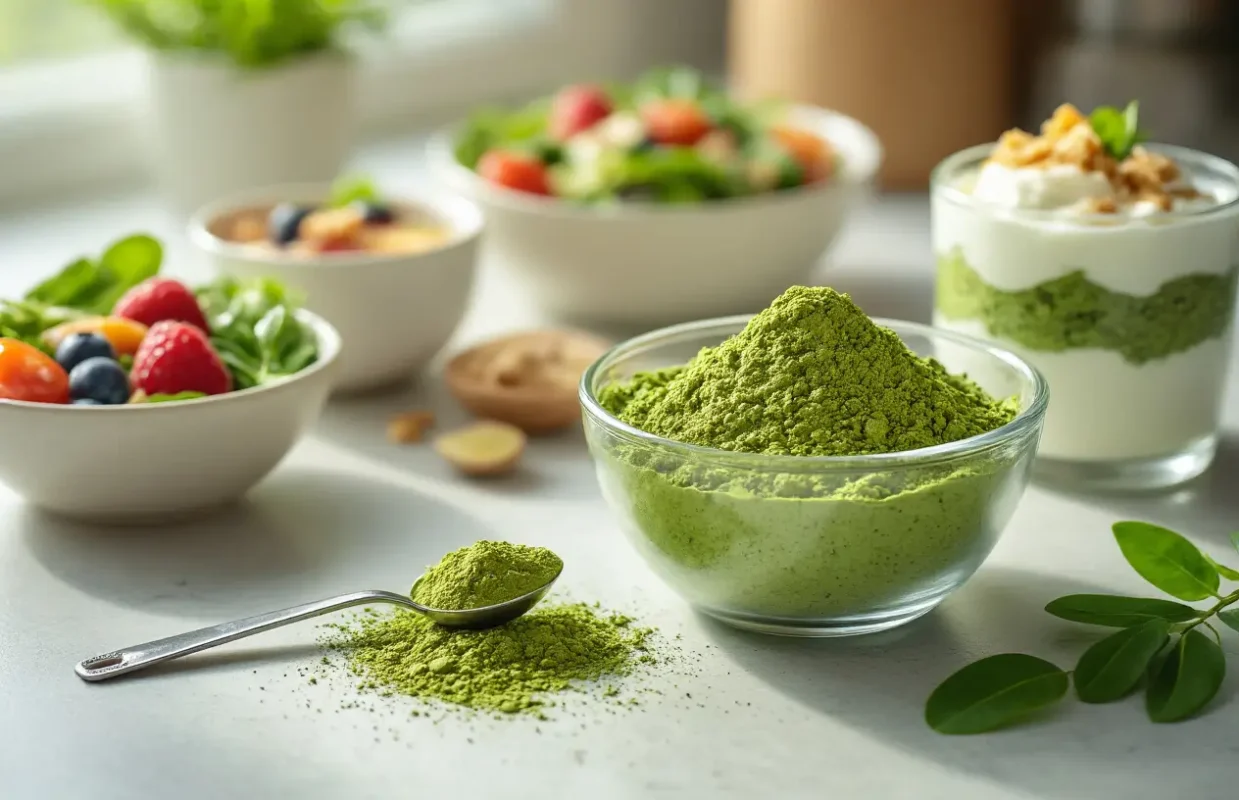
Recommended Dosage Guidelines
Start small with moringa powder – about half a teaspoon daily is perfect for beginners. Your body needs time to adjust to this nutrient powerhouse.
After a week, bump it up to 1-2 teaspoons daily. Most adults do well with this amount. If you’re wondering about the max, don’t exceed 2 tablespoons per day without talking to your doctor first.
Taking moringa with food helps your body absorb its nutrients better and prevents potential stomach upset. Split your daily amount between morning and afternoon for steady energy throughout the day.
Morning Smoothie Recipes
Nothing beats a moringa smoothie to kickstart your day. Here’s a quick favorite:
Green Energy Blast
- 1 frozen banana
- 1 cup spinach
- 1 teaspoon moringa powder
- 1 tablespoon almond butter
- 1 cup plant milk
- Ice cubes
Blend everything until smooth. The banana masks moringa’s earthy taste completely.
Tropical Moringa Refresher
- 1 cup pineapple chunks
- ½ cup mango
- 1 teaspoon moringa powder
- ½ cup coconut water
- Squeeze of lime
- Handful of ice
This one’s like a vacation in a glass!
Baking with Moringa Powder
Moringa works magic in baked goods. The trick? Use it sparingly – about 1 teaspoon per cup of flour.
Try adding it to:
- Banana bread (gives it a nutrient boost without changing the taste)
- Oatmeal cookies (pairs amazingly with cinnamon)
- Energy balls (combine with dates, nuts, and coconut)
- Pancakes (just add to your regular batter)
The heat doesn’t destroy moringa’s nutrients, making baking an excellent way to enjoy its benefits.
Savory Dishes Enhancement
Moringa powder brings both nutrition and a mild flavor to savory dishes. Sprinkle it into:
- Soups and stews (add during the last few minutes of cooking)
- Scrambled eggs or tofu (a quarter teaspoon is plenty)
- Homemade salad dressings (pairs well with olive oil and lemon)
- Rice dishes (mix in after cooking)
- Pasta sauces (the tomato flavors mask moringa perfectly)
The earthy notes of moringa complement curries and bean dishes particularly well.
Tea and Beverage Ideas
Moringa tea is ridiculously simple to make and incredibly good for you. Just steep 1 teaspoon in hot water for 3-5 minutes, then strain and enjoy.
Other drink ideas:
- Lemon-moringa water (refreshing first thing in the morning)
- Moringa latte (with your choice of milk and a touch of honey)
- Moringa iced tea (add mint leaves for extra freshness)
- Post-workout shake (blend with coconut water and a frozen banana)
Cold brewing works great too – just mix moringa powder with cold water and refrigerate overnight for a milder taste.
Potential Side Effects and Precautions
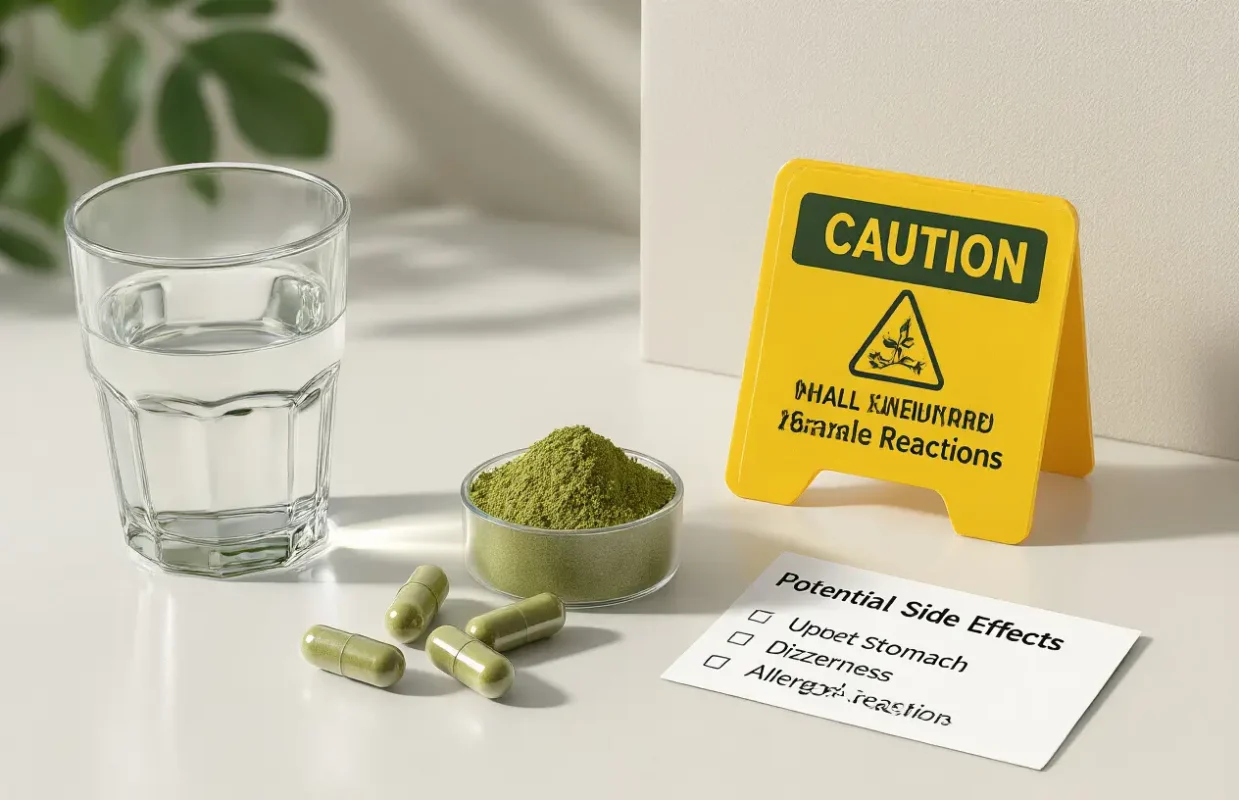
Common Digestive Reactions
Look, moringa isn’t always sunshine and rainbows for everyone. Some people’s bodies just don’t roll out the welcome mat right away.
The most common side effect? Digestive drama. We’re talking:
- Stomach cramps that make you want to curl up in a ball
- Diarrhea that keeps you running to the bathroom
- Nausea that makes breakfast seem like a bad idea
- Gas that… well, nobody wants to talk about
These reactions typically happen when you go from zero to moringa hero too quickly. Your gut needs time to adjust to this powerful plant. Start with a tiny amount – like 1/2 teaspoon – and slowly build up over weeks.
Medication Interactions
Moringa isn’t just sitting idly in your system – it’s active stuff that can mess with your meds.
The big concern? Moringa might speed up how quickly your liver breaks down certain medications. This isn’t great news if you’re taking:
- Blood thinners (moringa has vitamin K which can reduce their effectiveness)
- Thyroid medications (moringa contains compounds that might affect thyroid function)
- Diabetes drugs (moringa naturally lowers blood sugar – double-whammy effect)
Always chat with your doctor before adding moringa to your routine if you’re on prescription medications. Better safe than sorry.
Pregnancy and Breastfeeding Considerations
Pregnant or nursing? Pump the brakes on moringa for now.
Moringa contains compounds that might stimulate uterine contractions – definitely not what you want during pregnancy unless you’re actually in labor. The research is limited, but most experts say it’s not worth the risk.
For breastfeeding moms, the picture is more complicated. In some cultures, moringa is actually used to boost milk production. But without enough solid research backing its safety, most healthcare providers recommend avoiding moringa supplements while breastfeeding.
If you’re absolutely set on using it, talk to your OB-GYN first. Your baby’s safety isn’t worth risking for any superfood trend.
Choosing Quality Moringa Powder
Organic vs. Conventional Options
Look, not all moringa powder is created equal. The difference between organic and conventional? Night and day.
Organic moringa powder comes from plants grown without synthetic pesticides or fertilizers. This means you’re not ingesting those nasty chemicals along with your superfood. The taste is noticeably cleaner too – I’ve tried both, and there’s no comparison.
Conventional moringa might be cheaper, but ask yourself: do you really want to save a few bucks at the expense of quality? Probably not.
What to check before buying:
- USDA Organic certification
- No fillers or additives in the ingredients list
- Deep green color (brownish powder = old or low quality)
- Fine texture (chunky powder = poor processing)
Storage Tips for Maximum Freshness
Ever bought moringa powder only to find it clumping or losing its vibrant green color? Frustrating, right?
Store your powder in an airtight container – this isn’t optional. Oxygen is the enemy of freshness.
Keep it in a cool, dark place. Your kitchen cabinet works, but don’t put it near your stove or dishwasher where heat and moisture lurk.
Refrigeration extends shelf life dramatically, especially in humid climates. Just make sure to close it tightly after each use.
And please, use a dry spoon when scooping. Moisture introduced into the container is basically a death sentence for potency.
How to Get Organic Moringa Powder
Finding high-quality organic moringa doesn’t have to be a treasure hunt.
Your best bets:
- Health food stores like Whole Foods or Sprouts
- Online retailers (Amazon, Thrive Market)
- Direct from manufacturers with transparent sourcing
- Buy the best quality organic moringa powder directly from the Auranic Roots website.
When shopping online, read those reviews! Real customers won’t hesitate to call out quality issues.
Consider buying from companies that work directly with farmers. These often provide the freshest product and support sustainable farming practices.
Single-origin moringa (from one location rather than blended) typically offers more consistent quality and flavor profile.
Moringa powder, derived from the nutrient-rich Moringa oleifera tree, stands as a remarkable superfood with an impressive nutritional profile. Packed with essential vitamins, minerals, antioxidants, and plant compounds, it offers numerous health benefits including improved immune function, reduced inflammation, better digestion, and potential assistance with blood sugar regulation. Its versatility makes it easy to incorporate into smoothies, teas, soups, and baked goods as a nutritional boost to your daily diet.
Before adding moringa powder to your wellness routine, be mindful of potential side effects and consult with a healthcare provider, especially if pregnant, nursing, or taking medications. When purchasing, prioritize organic, pure moringa powder from reputable sources to ensure you’re getting the highest quality product without additives or contaminants. By making informed choices about quality and consumption, you can safely enjoy the remarkable benefits this ancient superfood has to offer.
Disclaimer: This blog is for informational purposes only. It is not intended to diagnose, treat, cure, or prevent any disease. Please consult your healthcare provider before starting any new dietary supplement.